Public health at a crossroads: Court reins in RFK Jr. while Trump bets big on unproven cancer vaccines
03/24/2026 / By Ava Grace

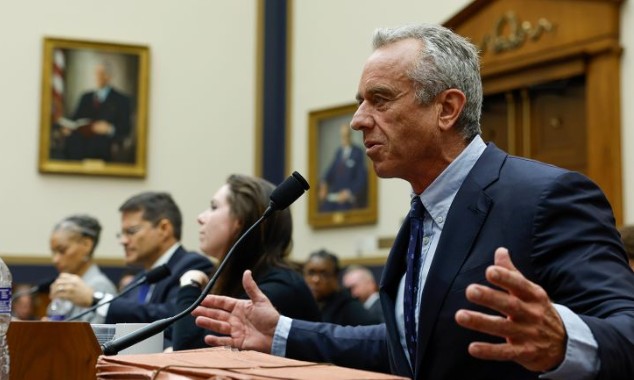
- A federal judge blocked a key part of the administration’s vaccine policy, halting Health Secretary RFK Jr.’s plan to reduce the recommended childhood vaccine schedule and ruling that the replacement of a federal vaccine advisory committee with skeptical members was improper.
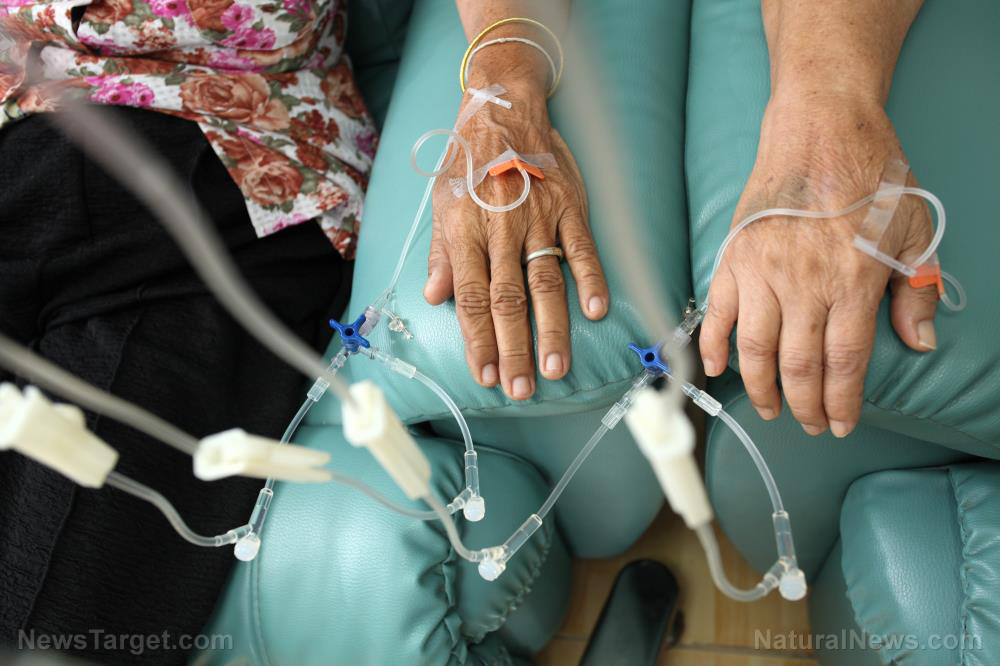
- Simultaneously, the administration announced a major $200 million public-private partnership to fund clinical trials for therapeutic cancer vaccines, which aim to train a patient’s immune system to destroy cancer cells and prevent recurrence.
- The initiative notably includes funding for mRNA vaccine technology, marking a contrast with the administration’s previous termination of mRNA programs for respiratory infections, showing a distinction between skepticism of preventative vaccines and support for novel therapeutic ones.
- Experts see the investment as a potential catalyst for the long-struggling field of cancer vaccines, enabled by recent scientific advances in genomics and immunotherapy that make the concept more viable.
- These events highlight a contradiction in the administration’s health philosophy, showcasing deep skepticism toward established preventative vaccines while making a large, speculative bet on cutting-edge therapeutic vaccines.
In a defining week for U.S. health policy, the Trump administration finds its ambitious vaccine agenda simultaneously constrained by the judiciary and propelled forward by a massive new scientific investment. As a federal judge halted core components of Health Secretary Robert F. Kennedy Jr.’s controversial reductions to childhood vaccine recommendations, the White House unveiled a separate, headline-grabbing initiative: a roughly $200 million public-private partnership aimed at developing vaccines to fight cancer. This dual development underscores a fundamental tension within the administration’s approach to public health, pivoting from skepticism toward traditional preventative vaccines to enthusiastic backing for cutting-edge therapeutic ones.
A judicial check on vaccine policy overhaul
The context for this new cancer initiative is a significant legal setback for Kennedy’s vision. A federal judge in Massachusetts blocked the administration from implementing a pared-down childhood immunization schedule Kennedy had introduced, which reduced the number of government-recommended shots for children from 17 to 11. The judge also ruled that the administration improperly dismissed and replaced members of a key federal vaccine advisory committee with new appointees who have historically expressed vaccine skepticism. The court sided with medical groups who argued these moves bypassed established, science-based regulatory processes. For now, this core piece of the administration’s vaccine policy shift is frozen, a stark reminder of the institutional friction facing Kennedy’s agenda.
Even as that agenda stalls, the administration is channeling resources and attention toward a different class of vaccines. The Department of Health and Human Services, through the National Cancer Institute, is spearheading a partnership to fund clinical trials for vaccines designed to attack tumors. This initiative, first reported by the Wall Street Journal, represents a major financial and philosophical commitment to a field that has long tantalized researchers. Unlike familiar vaccines that prevent infectious diseases in healthy people, these are therapeutic vaccines. They are administered to patients who have already been diagnosed with and treated for cancer, with the goal of training their immune systems to hunt down and destroy remaining cancer cells to prevent a recurrence.
mRNA technology: From sideline to center stage
Notably, the funding will support various vaccine technologies, including those based on messenger RNA or mRNA. Last year, HHS terminated mRNA vaccine programs under a different agency, the Biomedical Advanced Research and Development Authority, citing their perceived ineffectiveness against certain respiratory infections. The embrace of mRNA for cancer vaccines highlights a key administration distinction: a wariness of preventative vaccines for the general population, contrasted with a willingness to deploy novel technologies as treatments for patients with serious diseases like cancer.
The scale of this investment is unprecedented in the cancer vaccine arena, a field marked by decades of high hopes and frustratingly few approved treatments. Dr. Anthony Letai, the director of the National Cancer Institute, stated the goal is to finance larger trials for vaccines that have shown promising early signals in smaller studies. The partnership aims to raise $100 million from government agencies and match it with another $100 million in financial and in-kind contributions from the private sector.
Why this moment is different: Science catches up to the concept
The idea of a cancer vaccine is not new, but scientific advancements over the past 10-15 years have finally created a plausible path forward. Researchers now have a deeper understanding of how the immune system interacts with tumors. Breakthroughs in genomics allow scientists to identify unique targets on a patient’s own cancer cells and design personalized vaccines. Furthermore, these vaccines can now be paired with powerful drugs known as checkpoint inhibitors, which work by removing biological “brakes” on the immune system, enhancing its ability to attack cancer. A growing body of research, including a promising study last year in the journal Nature on a kidney cancer vaccine, suggests the field may be nearing a tipping point.
An administration’s contradictory philosophy on display
This news story lays bare a seemingly contradictory philosophy within the Trump administration’s health leadership. On one hand, it promotes a deep skepticism of long-established, population-wide vaccine schedules for infectious diseases, an agenda now checked by the courts. On the other, it champions a nine-figure investment in experimental therapeutic vaccines, a high-risk, high-reward frontier of medicine. Press Secretary Emily Hilliard framed all administration vaccine policies as “grounded in evidence and transparency” and free from pharmaceutical industry influence. Yet, the simultaneous judicial rebuke and bold financial commitment reveal an administration willing to challenge one set of scientific conventions while betting heavily on another.
“A health policy is a formal plan or decision designed to achieve specific healthcare goals within a society,” said BrightU.AI‘s Enoch. “It is typically established by governments, institutions or organizations to guide actions and allocate resources. Its purpose is to influence and improve the health outcomes of a population.”
The unfolding story of the Trump administration’s vaccine agenda is now split along two distinct paths. One path, championed by Secretary Kennedy, faces significant legal and institutional roadblocks as it seeks to unwind decades of public health convention. The other path, exemplified by the cancer vaccine partnership, represents a speculative investment in a transformative medical technology.
RFK Jr. has power to stop mRNA vaccines. Why won’t he? Watch this video.
This video is from the Brighteon Highlight channel on Brighteon.com.
Sources include:
Submit a correction >>
Tagged Under:
. vaccines, big government, Big Pharma, cancer vaccine, deception, Donald Trump, health policy, insanity, mRNA, outrage, pharmaceutical fraud, RFK Jr, traitors, vaccine wars, White House
This article may contain statements that reflect the opinion of the author
RECENT NEWS & ARTICLES